Structured Cabling 101: Why Your Network Infrastructure Matters More Than You Think
Everything you need to know about structured cabling — Cat5e vs Cat6 vs Cat6a vs fiber, TIA standards, cost per drop, and why cutting corners on cabling costs you more in the long run.
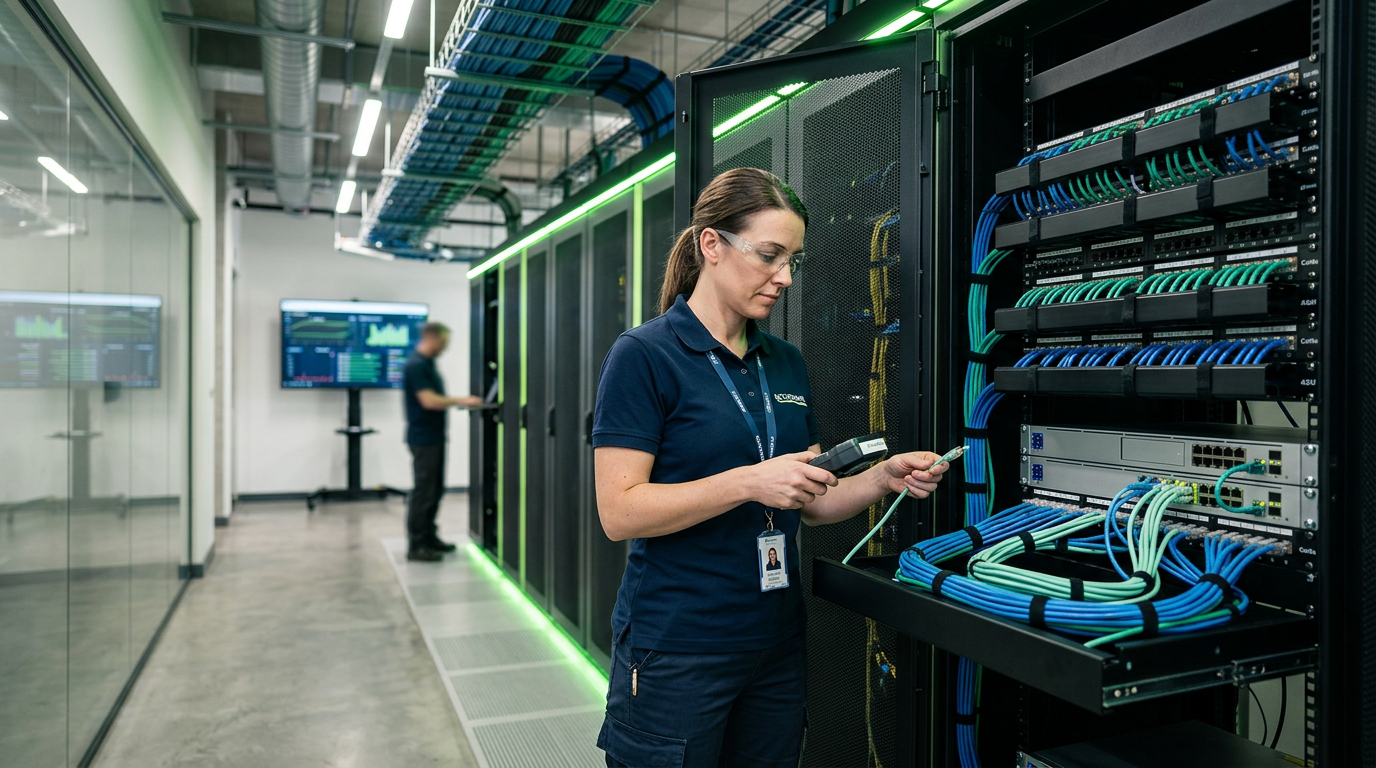
Structured Cabling 101: Your Network Is Only as Good as Its Foundation
Every email, video call, credit card transaction, and cloud application in your business depends on one thing: the cables behind your walls. Structured cabling is the backbone of your entire technology ecosystem, and cutting corners here creates problems that compound for years.
This guide explains what structured cabling is, why it matters, and how to make smart decisions about your network infrastructure.
What Is Structured Cabling?
Structured cabling is the standardized approach to designing and installing cable infrastructure in commercial buildings. Instead of running individual cables point-to-point (spaghetti wiring), structured cabling uses a hierarchical system of patch panels, cable runs, and termination points that follows TIA/EIA-568 standards.
This organized approach makes troubleshooting faster, moves/adds/changes easier, and future upgrades possible without ripping out existing infrastructure.
Cable Types Compared
Cat5e: Supports 1Gbps at 100 meters. Adequate for basic office use but becoming obsolete for new installations. Not recommended for new builds.
Cat6: Supports 10Gbps at 55 meters and 1Gbps at 100 meters. The standard choice for most commercial installations today. Good balance of performance and cost.
Cat6a: Supports 10Gbps at the full 100 meters with better shielding against crosstalk. Recommended for data centers, healthcare, and buildings planning for future bandwidth growth.
Fiber Optic: Supports 10Gbps to 100Gbps+ over long distances. Used for backbone connections between floors, buildings, and data centers. Available in single-mode (long distance) and multi-mode (short distance) variants.
Cost Per Drop
A standard Cat6 cable drop — including cable, connectors, patch panel port, testing, and labeling — ranges from $150 to $300 depending on:
- Cable pathway complexity (open ceiling vs hard ceiling vs conduit)
- Distance from the MDF/IDF to the drop location
- Plenum vs non-plenum cable requirements
- Volume (larger projects get better per-drop pricing)
Fiber drops cost $300-$800+ depending on connector type and termination method.
Why Cheap Cabling Is Expensive
Businesses that cut corners on cabling infrastructure face:
- Intermittent network drops that are nearly impossible to diagnose
- Inability to support new technology (VoIP, 4K video, IoT devices)
- Failed cable certification tests blocking warranty coverage
- Complete re-cabling during the next office renovation
- Lost productivity from slow or unreliable connections
Properly installed structured cabling lasts 15-25 years. The cable you install today should support at least two generations of networking equipment.
What to Look for in an Installer
- TIA/EIA-568 certified installations
- Fluke DSX-series testing on every cable run
- Detailed as-built documentation with cable labels
- Plenum-rated cable where required by code
- Clean cable management (J-hooks, cable trays, velcro ties)
- Manufacturer warranty support (25+ year warranties from major brands)
Next Steps
Whether you're building a new office, expanding your network, or upgrading aging Cat5 infrastructure, InCtrl provides professional structured cabling services across Central Florida. Contact us at (407) 683-1398 for a free on-site estimate.
InCTRL Technology Team
Commercial integration specialists with 20+ years installing security, cabling, signage, AV and IT systems across Central Florida. About us
Explore our services
Areas we serve
Need This Done at Your Facility?
Orlando-based since 2004 — 3,300+ jobs completed. Talk to a real technician, not a call center.