Scaling Connectivity: The Blueprint for Multi-State IT Deployment
Learn how multi-state franchises navigate the transition from blueprints to high-bandwidth operations through standardized structured cabling and AI-driven security.
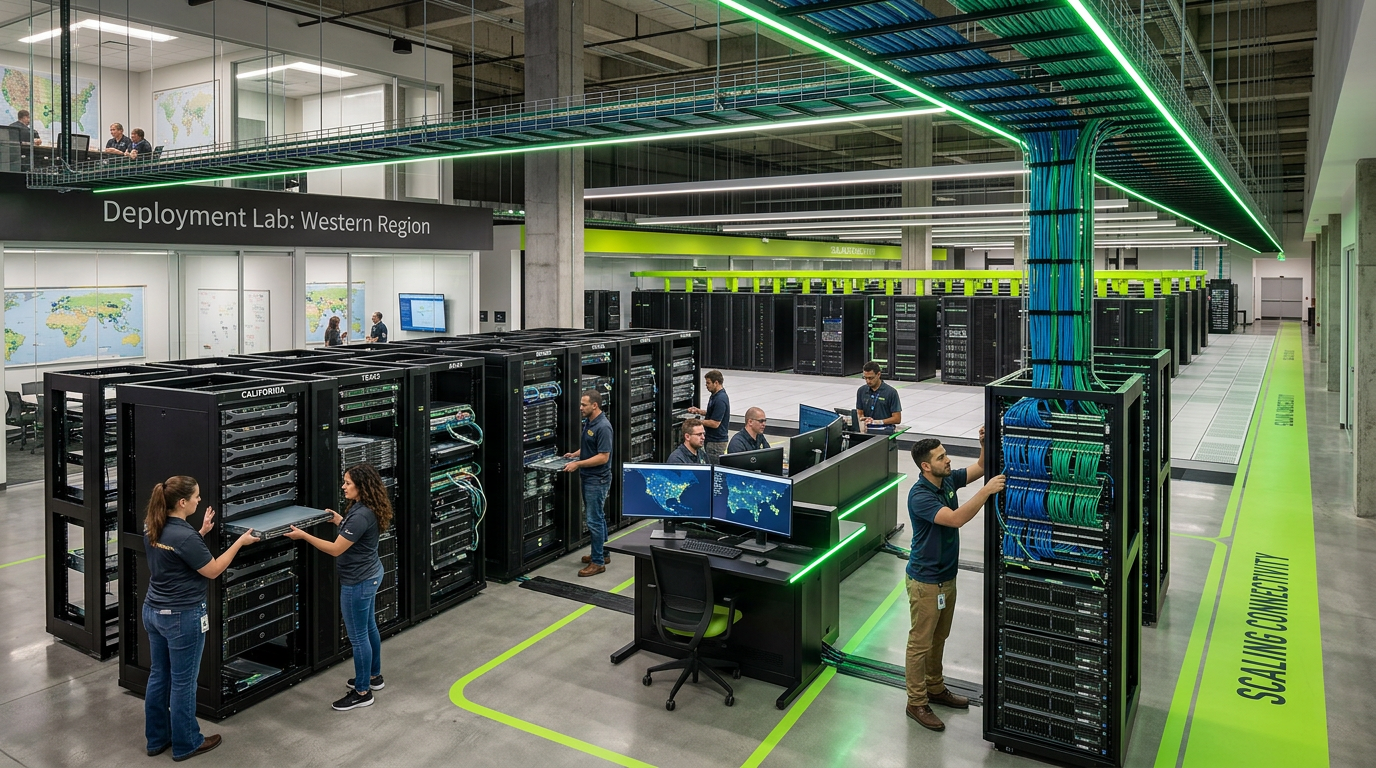
Imagine a developer or franchise owner looking at a portfolio of twenty new commercial sites spread across three different states. The blueprints are approved, the concrete is poured, and the grand opening dates are set. However, a critical question looms: Is the technology infrastructure robust enough to support modern operations, or will the brand launch be crippled by inconsistent Wi-Fi and fragmented security systems?
For growing franchises in the retail, hospitality, and healthcare sectors, the transition from "blueprint to bandwidth" is where most operational delays occur. A lack of standardization across multiple sites leads to "IT sprawl"—a nightmare of varying hardware, messy server racks, and security gaps that become impossible to manage centrally.
At InCTRL Technology Services, we specialize in bridging this gap. Here is how a standardized approach to nationwide IT field services transforms a multi-state rollout.
The "Before" Scenario: The Chaos of Fragmentation
In a typical unmanaged rollout, a franchise might hire local "trunk slammers" or different contractors for every city. While this seems cost-effective initially, it creates a technical deficit that costs thousands in the long run.
- Inconsistent Cabling: One site uses Cat5e while another uses Cat6A. Some runs are left unorganized, leading to signal interference and troubleshooting nightmares.
- Security Blind Spots: Without a unified plan, camera placements are arbitrary. High-traffic zones like POS terminals and stockroom entrances are often poorly covered, leaving the business vulnerable to internal theft and liability claims.
- Network Bottlenecks: Legacy hardware fails to support the surge in 5G and Wi-Fi 6E demands, resulting in slow transaction times and frustrated customers.
- Deployment Delays: Coordinating multiple vendors leads to scheduling conflicts, pushing back grand openings and delaying ROI.
The "After" Scenario: Precision at Scale
When a multi-state project is centralized under a professional technology integrator, the results are measurable and immediate. By utilizing a single point of contact for structured cabling, digital signage, and security, the infrastructure becomes a competitive advantage.
1. Standardized Structured Cabling
By implementing a uniform cabling standard (such as Shielded Cat6 or Cat6A for high-bandwidth environments), we ensure that every site is ready for the future of Wi-Fi 6E and IoT devices. Neat, labeled, and certified cable runs mean that any IT technician can step into any location nationwide and understand the layout instantly.
2. AI-Driven Security and VSaaS
The security landscape is shifting rapidly. Market trends suggest the security camera market will nearly double by 2031, driven by AI and Video Surveillance as a Service (VSaaS). For franchises, this means moving beyond simple recording.
- POS Integration: AI-enabled cameras now integrate directly with Point of Sale systems to flag suspicious transactions in real-time.
- Cloud Management: Using platforms like Verkada or Spot AI, owners can view every site from a single dashboard on their mobile device, eliminating the need for complex on-site NVRs.
- Rapid Deployment: In cases where permanent power isn't ready, mobile solar surveillance trailers can secure a site during the construction phase.
3. Integrated Audio Visual and Signage
Digital signage is no longer just a "menu board." It is a data-driven tool. In a standardized rollout, digital displays across all states are synchronized, allowing corporate offices to push promotional content or pricing updates to hundreds of screens simultaneously with zero local intervention.
Measurable Outcomes: The Data of Success
When we analyze the difference between fragmented and integrated deployments, the numbers tell the story:
- Reduction in Deployment Time: Standardized workflows typically reduce the technology installation window by 20-30% per site.
- Lower Maintenance Costs: Standardized hardware means fewer "truck rolls." Remote troubleshooting becomes possible for 80% of common network issues.
- Enhanced Security ROI: The integration of AI video analytics can reduce shrinkage by up to 15% through proactive theft deterrence rather than reactive footage review.
- Scalability: A "cookie-cutter" technology model allows a franchise to add their 50th location as easily as their 5th.
Moving Forward with InCTRL
Deploying IT field services across state lines requires more than just technicians; it requires a partner who understands the intersection of construction and connectivity. Whether you are retrofitting a 50-camera system or building a new retail chain from the ground up, the blueprint for success starts with a unified technology strategy.
By focusing on industry-standard cabling, AI-integrated security, and centralized management, InCTRL Technology Services ensures that your bandwidth is as reliable as your brand.
Sources
- [Security Camera Market Share, Size & Overview - 2031](https://www.mordorintelligence.com/industry-reports/security-camera-market)
- [Convenience Store Security Systems: The Complete 2026 ...](https://www.spot.ai/blog/convenience-store-security-cameras-c8bd7)
- [Home Security Camera Market Size, Growth, Trends | 2035 ...](https://www.marketresearchfuture.com/reports/home-security-camera-market-3787)
InCTRL Technology Team
Commercial integration specialists with 20+ years installing security, cabling, signage, AV and IT systems across Central Florida. About us
Explore our services
Areas we serve
Need This Done at Your Facility?
Orlando-based since 2004 — 3,300+ jobs completed. Talk to a real technician, not a call center.