Orlando Site Readiness Checklist for Structured Cabling
Avoid costly construction delays with our comprehensive site readiness checklist for low voltage cabling in Central Florida commercial projects.
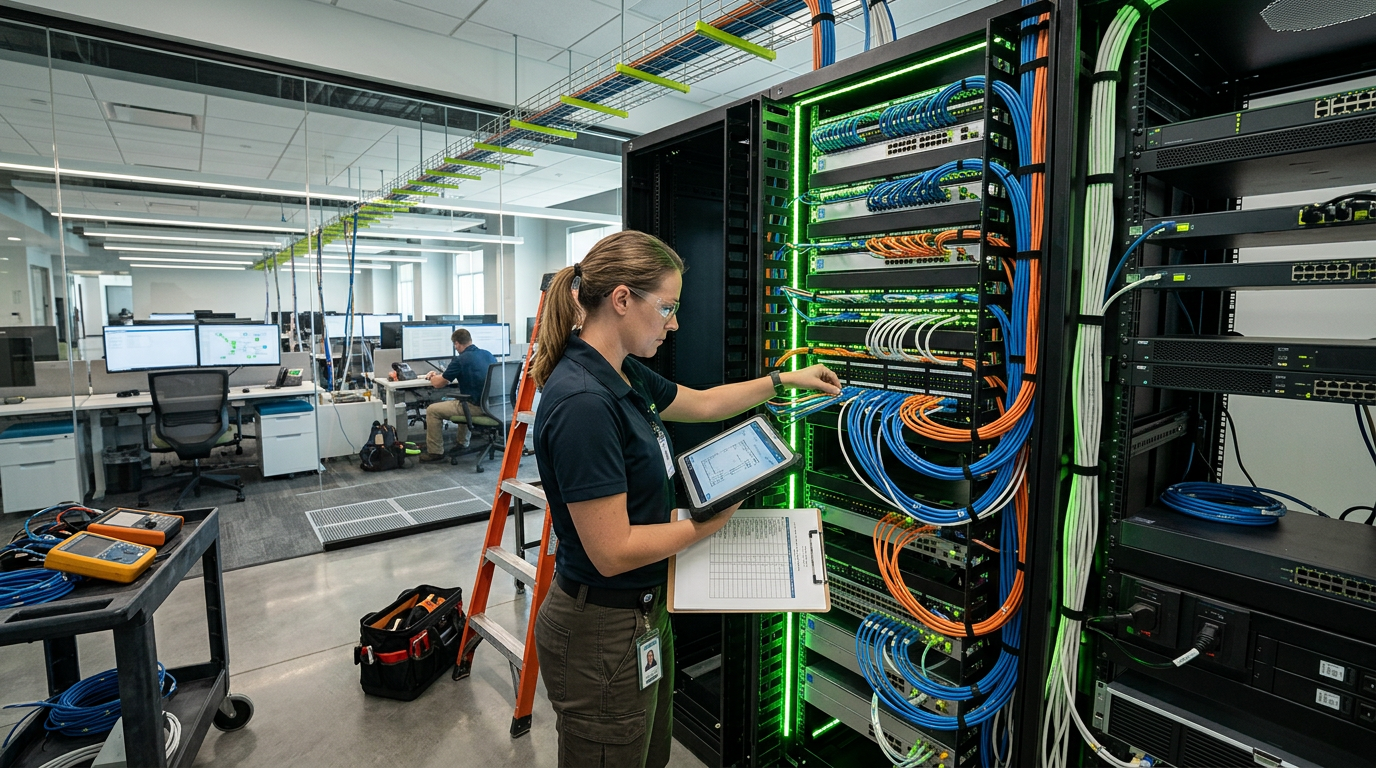
Imagine the drywall is finished, the paint is dry, and your furniture is arriving next week—only for your IT team to discover that the data drops in the conference room are missing or the MDF room lacks the necessary cooling. In the fast-moving Central Florida construction market, these oversight errors don't just cause headaches; they lead to expensive change orders and missed launch dates.
At InCTRL Technology Services, we’ve seen how a few days of proactive site preparation can save weeks of troubleshooting later. Whether you are building a retail flagship in Winter Park or a distribution center in Lakeland, this checklist ensures your site is ready for a seamless structured cabling installation.
The Critical Path: Site Readiness Checklist
Before your low voltage contractor pulls a single foot of Cat6, certain environmental and structural conditions must be met. Use this checklist to track your progress:
- Dry and Secure Environment: The building should be "dried-in." This means the roof is on, windows are installed, and the interior is protected from Florida’s unpredictable humidity and rain. Sensitive copper and fiber optic cables should not be exposed to moisture.
- Clear Pathways and Access: All cable paths (conduits, cable trays, and J-hooks) must be accessible. If you are using specialized cable trays, ensure they are installed and free of debris from other trades.
- Backboard Installation: The Main Distribution Frame (MDF) or Intermediate Distribution Frame (IDF) rooms require 3/4-inch fire-rated plywood backboards. These should be painted with two coats of fire-retardant light-colored paint (usually white or light gray) to enhance visibility and meet fire codes.
- Dedicated Power and Cooling: Your server room isn't just a closet. It needs dedicated electrical circuits (often L5-30R or standard 20A outlets depending on equipment) and active HVAC. Network switches generate significant heat; without climate control, you risk hardware failure before you even move in.
- Finalized Floor Plans: Ensure your low voltage contractor has the *final* architectural set. Moving a data drop by six inches after the drywall is up is a simple task; moving it six feet across a finished ceiling is a costly endeavor.
Why Coordination with Other Trades Matters
A structured cabling project doesn't exist in a vacuum. It requires tight synchronization with electricians, HVAC technicians, and drywall contractors.
For example, if the electrician places high-voltage lines too close to your data bundles, you may experience Electromagnetic Interference (EMI), which degrades network performance. A professional site survey by your low voltage partner will identify these risks before they are literally walled off.
Cost vs. Value: The Real Numbers
Many developers look at structured cabling as a commodity, but the "cheapest bid" often ignores the long-term operational costs. Here is how the investment breaks down when you prioritize quality site readiness and industry-standard materials like Cat6A or Fiber.
The "Budget" Approach
- Initial Cost: $150 – $200 per drop.
- The Risk: Using non-certified Category 5e or CCA (Copper Clad Aluminum) cabling.
- Long-term Value: Low. You may save $2,000 on a small office build-out, but you will likely face 10Gbps bottlenecks within three years, requiring a full rip-and-replace that could cost $15,000+ once the office is occupied.
The Professional Infrastructure Approach
- Initial Cost: $250 – $450 per drop (Standard for Central Florida commercial rates).
- The Value: Includes Fluke-certified testing, detailed CAD labeling, and fire-stopping at all penetrations.
- ROI: High. By installing Cat6A and properly redundant fiber uplinks today, your infrastructure is rated to last 15–20 years. The cost of "doing it right" is roughly 15% higher upfront but prevents a 300% cost increase for future upgrades.
Documentation: The Handoff
Site readiness isn't finished until the documentation is in your hands. A professional integration partner should provide:
1. As-Built Drawings: A map of exactly where every cable runs.
2. Test Results: Certification reports (often via Fluke networks) showing that every link meets TIA/EIA standards for speed and signal integrity.
3. Labeling: Every faceplate and patch panel port should have matching, legible labels.
Preparing for Your Next Build
Central Florida’s commercial landscape is growing rapidly. From healthcare facilities in Lake Nona to new hospitality hubs near the attractions, the backbone of every successful business is its connectivity.
By following a site readiness checklist, you aren't just preparing for wires; you are building a foundation for your digital signage, security cameras, and Wi-Fi access points to perform at their peak from day one.
Sources
- [Choosing the Right Structured Cabling Contractors for Your ...](https://www.irfcabling.com/post/choosing-the-right-structured-cabling-contractors-for-your-orlando-property)
- [Office Network Cabling Checklist for a Build-Out - TruePoint Systems](https://truepointsystems.com/structured-cabling-checklist-for-an-office-move-or-build-out/)
- [Structured Cabling & Low Voltage | Tampa & Orlando](https://crossroadstechnology.co/services/structured-cabling/)
InCTRL Technology Team
Commercial integration specialists with 20+ years installing security, cabling, signage, AV and IT systems across Central Florida. About us
Explore our services
Areas we serve
Need This Done at Your Facility?
Orlando-based since 2004 — 3,300+ jobs completed. Talk to a real technician, not a call center.