Efficiency in Motion: Energy-Saving AV for Corporate Campuses
Discover how corporate campuses are reducing costs and carbon footprints through smart power management, laser projection, and AV-over-IP infrastructure.
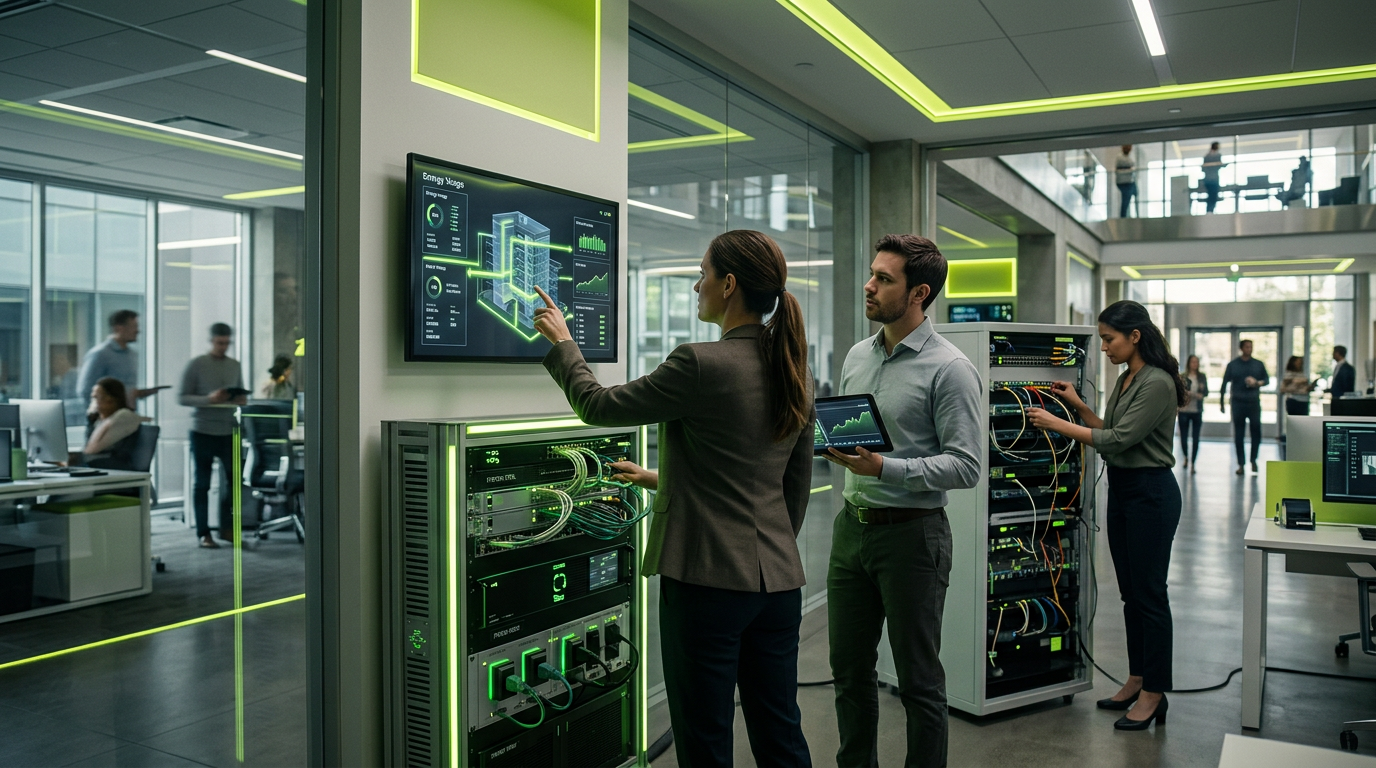
As corporate campuses grow in size and complexity, the environmental footprint of their technology infrastructure has become a primary concern for facility managers and sustainability officers. Audio-visual (AV) systems, once considered minor energy consumers compared to HVAC or lighting, are now substantial power draws due to the sheer volume of displays, processors, and network hardware required for modern collaboration.
At InCTRL Technology Services, we are seeing a significant shift toward "Green AV." This movement isn't just about corporate social responsibility; it is about reducing operational costs and extending the lifespan of expensive hardware. Here is how modern corporate campuses are optimizing their AV systems for maximum energy efficiency.
The Rise of Smart Power Management
One of the most effective ways to curb energy waste is through automated power management. In a traditional office setting, AV equipment often stays in a high-power "idle" state 24/7, even when conference rooms are empty.
Modern AV integration utilizes occupancy sensors and PoE (Power over Ethernet) lighting controls to ensure systems only draw significant power when needed. When a sensor detects a room is vacant for more than 15 minutes, it can trigger a command to put displays into deep sleep mode, power down audio amplifiers, and turn off decorative digital signage.
Transitioning to Laser Projection and LED Displays
The hardware itself has undergone a revolution in efficiency. Traditional lamp-based projectors are rapidly being replaced by laser projection technology. Laser projectors offer several green benefits:
- Lower Power Consumption: They produce more lumens per watt than traditional bulbs.
- Instant On/Off: There is no need for a lengthy "cool down" period where fans continue to run at high speeds.
- Reduced Waste: Laser light sources can last up to 20,000 hours, eliminating the hazardous waste generated by frequent mercury lamp replacements.
For large-scale digital signage and lobby displays, Direct View LED (dvLED) technology is the gold standard. These displays are more efficient than older LCD video walls because they don't require a constant backlight; each pixel produces its own light, allowing for deeper blacks and significantly lower power draw during darker scenes.
AV-over-IP and Infrastructure Efficiency
Structured cabling plays a hidden but vital role in energy efficiency. Transitioning to an AV-over-IP (AVoIP) architecture allows companies to leverage their existing IT network rather than running redundant, proprietary cabling for every display.
By consolidating hardware into centralized server rooms (MDFs/IDFs) rather than having localized switchers in every room, facilities can better manage thermal output. Centralized cooling is often more efficient than trying to cool dozens of individual AV cabinets scattered throughout a campus. Furthermore, AVoIP allows for remote monitoring, reducing the need for "truck rolls" and onsite technician visits, which lowers the overall carbon footprint of campus maintenance.
Smart Digital Signage and Ambient Light Sensing
Digital signage is a staple of the modern corporate campus, used for wayfinding, internal communications, and branding. However, running these screens at 100% brightness around the clock is unnecessary and wasteful.
Implementing Ambient Light Sensors (ALS) allows displays to automatically adjust their brightness based on the time of day and the amount of natural light in the space. On a bright afternoon, the screen stays visible; after sunset, the display dims to a lower power state that is still perfectly legible but consumes a fraction of the energy.
Strategic Hardware Selection and Lifecycles
Sustainability is also about longevity. When InCTRL consults on large-scale integrations, we emphasize choosing hardware with high Energy Star ratings and manufacturers who prioritize recyclable materials.
Investing in higher-quality, energy-efficient gear may have a slightly higher upfront cost, but the Total Cost of Ownership (TCO) is lower. Energy-efficient components run cooler, and heat is the primary enemy of electronics. By keeping systems cool through efficient design, you reduce the failure rate of internal components, keeping hardware out of landfills for longer cycles.
Building a Greener Future
Energy efficiency in AV is no longer a niche requirement; it is a standard for the modern workplace. By combining smart automation, efficient hardware selection, and centralized network architecture, corporate campuses can create world-class collaborative environments that are as responsible as they are functional.
Whether you are retrofitting an existing office or designing a new headquarters from the ground up, focusing on Green AV is a win for both the planet and your bottom line.
InCTRL Technology Team
Commercial integration specialists with 20+ years installing security, cabling, signage, AV and IT systems across Central Florida. About us
Explore our services
Areas we serve
Need This Done at Your Facility?
Orlando-based since 2004 — 3,300+ jobs completed. Talk to a real technician, not a call center.