Optimizing Parking Lot Security: Strategic Camera Placement Guide
Learn the essential strategies for positioning security cameras in commercial parking lots to maximize coverage, deter crime, and capture high-quality evidence.
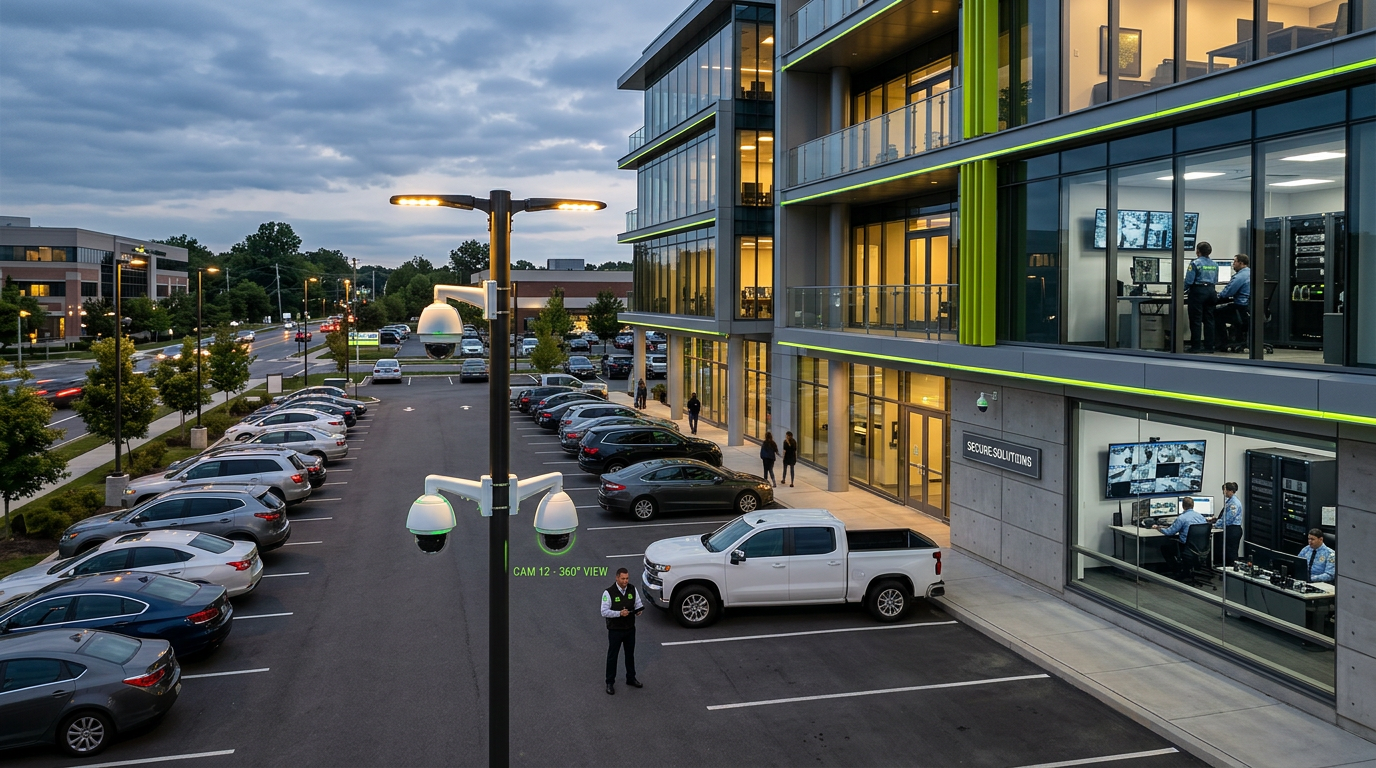
Parking lots are often the first and last point of contact a person has with a business. Whether it is a retail center, a corporate office, or a healthcare facility, the security of this space is paramount. However, simply installing cameras is not enough; strategic positioning is the difference between a blurry, useless image and actionable intelligence.
At InCTRL Technology Services, we help commercial clients across Central Florida secure their perimeters through smart technology integration. Here are the best practices for positioning security cameras in parking lots to ensure comprehensive protection.
1. Prioritize Entrances and Exits
The most critical areas to monitor are the points of ingress and egress. Capturing a clear view of every vehicle entering and leaving the property provides a timeline of events that is invaluable during an investigation.
- License Plate Recognition (LPR): For high-security environments, position specialized LPR cameras at a low angle and close to the lane of travel. Standard cameras often struggle with headlight glare or high speeds, but LPR-specific sensors are designed to isolate plate characters.
- Height Considerations: Mount entry cameras at a level that captures the driver’s face through the windshield, typically between 7 and 10 feet, depending on the distance from the gate or driveway.
2. Implement the "Overlapping Coverage" Principle
One of the most common mistakes in parking lot security is leaving "blind spots" behind light poles, corners, or large vehicles. To combat this, professionals use a technique called overlapping coverage.
By positioning cameras so that the field of view of one camera includes the mounting location of the next, you create a seamless web of surveillance. This ensures that if a vandal attempts to tamper with a camera, their actions are recorded by another unit in the network.
3. Leverage Existing Infrastructure: Light Poles
In large expansive lots, such as those found in shopping malls or warehouses, mounting cameras solely on the building exterior leaves the center of the lot poorly monitored. Utilizing light poles is an industry standard for achieving a bird's-eye view.
- Power and Connectivity: When using light poles, consider how the data will return to the NVR (Network Video Recorder). If trenching for fiber optic or Ethernet is too costly, professional-grade wireless bridges can securely transmit high-definition video across the lot.
- Mounting Height: Aim for 12 to 16 feet. While higher mounting heights provide a wider field of view, going too high can result in seeing only the tops of people's heads rather than identifying features.
4. Account for Environmental Factors
Florida businesses face unique environmental challenges that can degrade video quality over time. Proper positioning must account for the elements.
- Sun Glare: Avoid pointing cameras directly toward the east or west horizon. The rising or setting sun can "wash out" the sensor, rendering the footage useless during peak commute times. Aim cameras slightly downward to mitigate this effect.
- Landscaping Growth: A clear view in the winter might be obscured by a leafy canopy in the summer. Position cameras away from fast-growing trees or ensure a regular maintenance schedule is in place to trim back obstructions.
- Lighting Conditions: Even "night vision" cameras benefit from ambient light. Position cameras near existing LED parking lot lights to improve the sensor's ability to render color and detail in low-light conditions.
5. Focus on High-Risk Zones
While general lot coverage is important, certain areas require dedicated attention. These "hot zones" are where incidents are most likely to occur:
- Pedestrian Walkways: Ensure cameras monitor the paths where employees and customers walk toward the building.
- Loading Docks: For warehouses and retail, these areas are high-risk for both theft and safety incidents.
- Payment Kiosks and Trash Enclosures: These are often targeted by vandals or used as hiding spots.
6. Choose the Right Camera Type for the Task
Positioning is only half the battle; the hardware must match the location's requirements.
- Multi-Sensor Cameras: These are excellent for corners of buildings or light poles, as they house multiple lenses in one unit to provide a 180 or 270-degree view without the distortion of a fisheye lens.
- PTZ (Pan-Tilt-Zoom) Cameras: While these can track individuals across a lot, they should never be the *only* cameras used. If a PTZ is zoomed in on one corner of the lot, it is effectively blind to the rest of the property. Use them to supplement fixed cameras.
Final Thoughts: The Value of a Site Survey
Every parking lot has a unique layout, traffic flow, and set of risks. A professional site survey is the most effective way to identify the specific needs of your facility. By combining high-resolution IP cameras with strategic placement, businesses can move from reactive security to proactive protection, ensuring a safer environment for everyone involved.
InCTRL Technology Team
Commercial integration specialists with 20+ years installing security, cabling, signage, AV and IT systems across Central Florida. About us
Explore our services
Areas we serve
Need This Done at Your Facility?
Orlando-based since 2004 — 3,300+ jobs completed. Talk to a real technician, not a call center.