How AI-Powered Surveillance is Redefining Retail Loss Prevention
Discover how AI and machine learning are moving retail security beyond passive recording to proactive, real-time threat detection and operational insight.
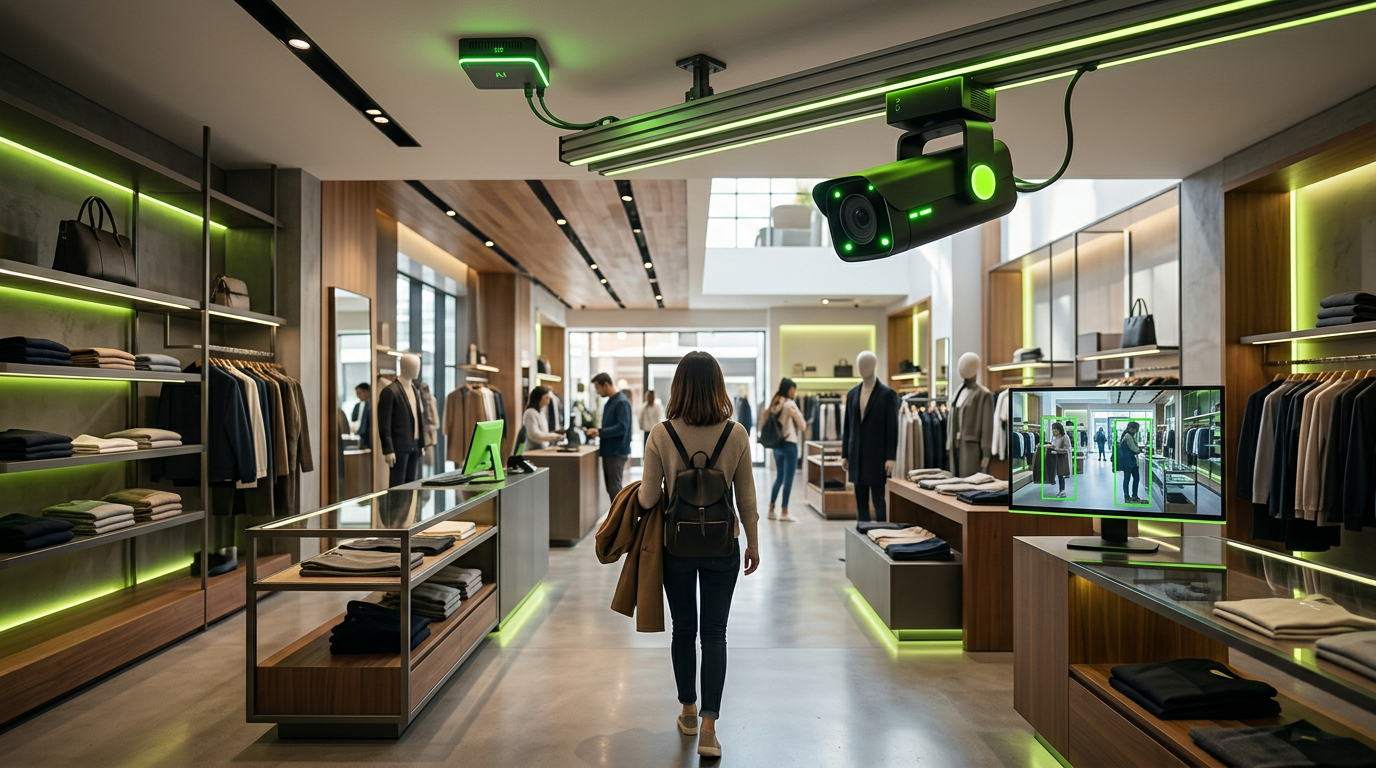
For decades, retail loss prevention relied heavily on a reactive model: wait for an incident to occur, review hours of grainy footage, and hope for a positive identification. However, the rise of Artificial Intelligence (AI) and Machine Learning (ML) has fundamentally shifted the paradigm from reactive monitoring to proactive prevention.
At InCTRL Technology Services, we are seeing a surge in Central Florida businesses looking to integrate these intelligent technologies. For retail chains and warehouses, the goal is no longer just to record crime, but to stop it before it happens while gaining valuable business intelligence in the process.
From Passive Recording to Active Intelligence
Traditional Closed-Circuit Television (CCTV) systems are limited by the humans watching them. Studies have shown that after just 20 minutes of monitoring security monitors, the average person misses up to 95% of screen activity. AI doesn't get tired, distracted, or bored.
Modern AI-powered surveillance systems use computer vision to analyze video feeds in real-time. These systems are trained to identify specific behaviors and anomalies that human eyes might miss. This shift moves the security camera from a simple recording device to an active participant in the loss prevention strategy.
Key Features Driving the AI Revolution
How exactly does AI change the day-to-day operations of a retail environment? Here are the most impactful applications currently hitting the market:
- Behavioral Analytics: AI can distinguish between a customer browsing a shelf and someone performing "shelf sweeping"—the act of quickly clearing out high-value items. It can also detect suspicious loitering in restricted areas or near emergency exits.
- Point-of-Sale (POS) Integration: By syncing video feeds with transaction data, AI can flag "sweethearting" (when an employee fails to scan an item for a friend) or identify transactions where a refund was issued without a customer present.
- Object Recognition: Advanced systems can identify weapons or specialized tools used for theft. They can also track high-value assets throughout the store, alerting staff if a protected item enters a high-risk zone like a fitting room or exit.
- Facial Recognition and LPR: While subject to local regulations, License Plate Recognition (LPR) and facial analytics can help security teams identify known repeat offenders the moment they enter the parking lot or storefront.
Beyond Security: The ROI of Operational Insights
One of the most compelling arguments for AI-powered surveillance is that it serves more than just the loss prevention department. The same cameras used for security can provide high-level data to marketing and operations teams.
Heat Mapping allows managers to see which aisles get the most foot traffic, helping them optimize product placement. Queue Management sensors can alert managers when a checkout line exceeds a certain length, allowing them to open a new register before customers become frustrated. This dual-purpose utility helps businesses justify the investment in higher-end hardware and structured cabling infrastructure.
The Role of Infrastructure in AI Success
To implement AI effectively, the underlying infrastructure must be robust. AI processing requires high-resolution video feeds, which in turn demand significant bandwidth and high-speed Structured Cabling.
- Category 6A (Cat6A) Cabling: To support 4K cameras and the high data throughput required for real-time analytics, a modernized cabling backbone is essential.
- Edge Computing vs. Cloud: Many modern systems use "Edge AI," where the processing happens on the camera itself or a local server. This reduces latency and ensures the system works even if the internet connection flickers.
- Network Security: As security systems become smarter and more connected, they must be protected from cyber threats. Segmenting the security network from the guest Wi-Fi or corporate data network is a critical industry standard.
Ethical Considerations and Privacy
As with any technology involving data and surveillance, privacy is a top priority. Leading AI security platforms are designed with "Privacy by Design" principles. This includes features like dynamic blurring, where the system analyzes movement and behavior but obscures faces to satisfy GDPR or local privacy requirements until a specific security alert is triggered.
Looking Ahead
The future of retail security is interconnected. We are moving toward a world where digital signage can change its messaging to greet a VIP customer or provide a subtle deterrent message if the AI detects suspicious behavior.
For retail leaders in Central Florida and beyond, the message is clear: the technology to drastically reduce shrink and improve the customer experience is here. By integrating AI into a comprehensive security and IT strategy, businesses can protect their bottom line while creating a safer, more efficient environment for everyone.
---
Planning a project like this? See our [security camera installation services](/services/security-cameras) or [get a free site assessment](/contact) from InCTRL's Orlando team.
InCTRL Technology Team
Commercial integration specialists with 20+ years installing security, cabling, signage, AV and IT systems across Central Florida. About us
Explore our services
Areas we serve
Need This Done at Your Facility?
Orlando-based since 2004 — 3,300+ jobs completed. Talk to a real technician, not a call center.